At the start of this year, one of my main resolutions was to read 2 books per month. So far I’ve read ONE small book in a month and a half. Yeahh… So far – NOT GREAT!
Although, January has always been a sort of “experimental month” for me so I’ll let this one slide, but I will make sure I keep working on the resolution for the rest of this year.
This “special” book that I’ve bee reading (and finally finished today) since before Christmas 2020 is “Man’s Search for Meaning” by Viktor E. Frankl. It’s actually ironic that it took me this much time to read it, considering I chose to read it during the holidays because I thought it was going to be a quick and easy read.
What is this book?
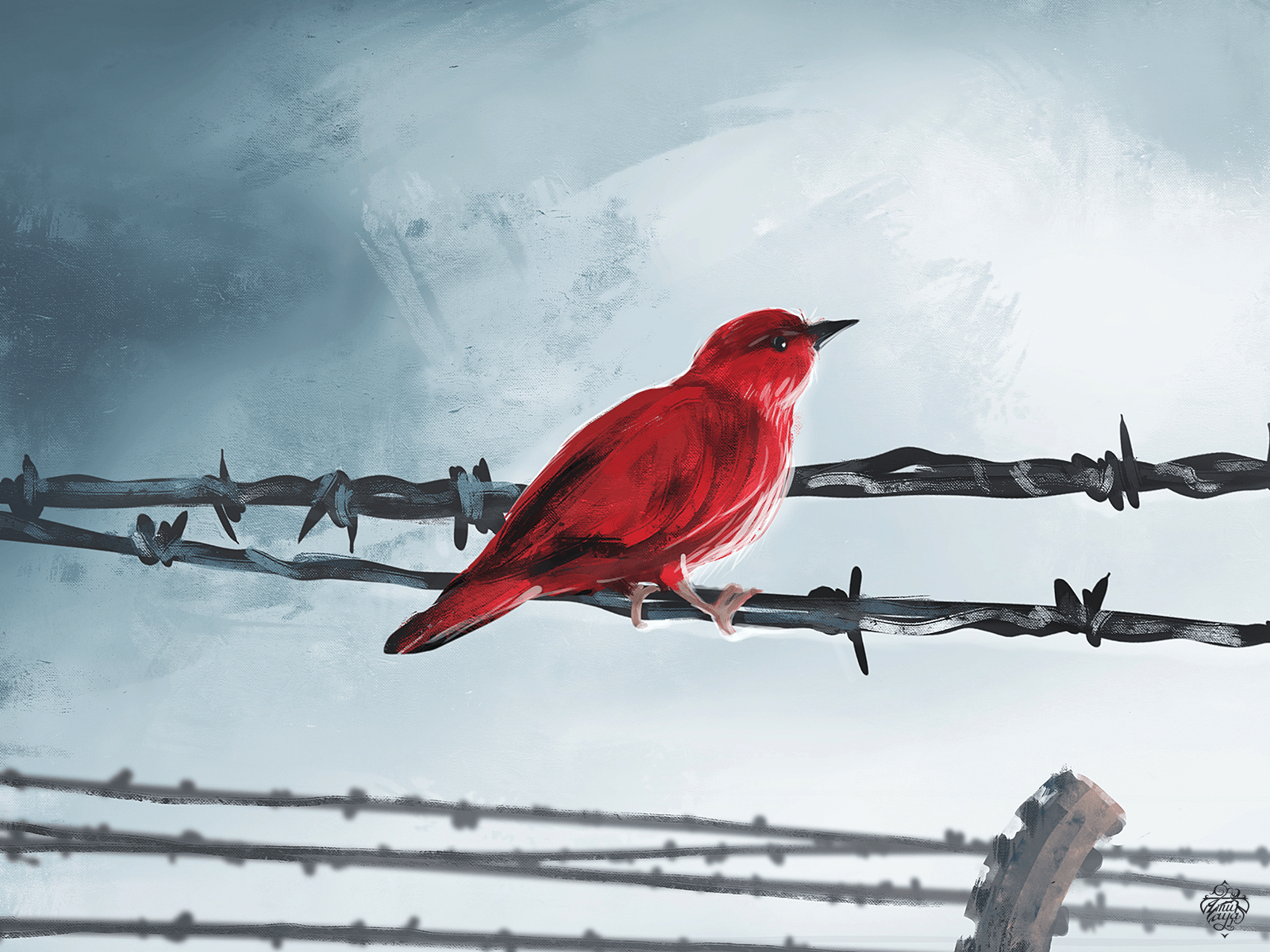
Anyway, this book has about 150 pages and is composed of 3 Parts. The first part, which I like to think is the “actual book”, because it’s the part where the author talks about the Holocaust and his experience as a detainee in a concentration camp. As stated in the beginning of the book, he didn’t write this book just to portray the horrors of the bigger concentration camps like Auschwitz, but rather the smaller ones. He depicts different stories and analyzes the behavior of the inmates to better understand how people could find a sense of hope and meaning in times like this and what made others give up.
In the second part called “Logotherapy in a Nutshell”, he tries to explain this concept developed by himself based on the idea that the primary motivational force of an individual is to find a meaning in life.
Finally, the third part called “The Case for a Tragic Optimism” which is about the ability of certain men to always be optimistic. Not losing hope even in the darkest time.
Impressions
This book is surprisingly heavy and not so easy to read. Considering it’s about such a dark time of the world’s history it probably shouldn’t have been a surprise to me.
Let’s start with the fact that this was the first book I’ve ever read that speaks about the Holocaust. I didn’t really know much detail about this event besides what I’ve learned in school. So, for me, the first part was sort of eye opening. I mean it’s not like I didn’t know that the Holocaust was a bad thing (I mean I even visited a part of the, I believe, Auschwitz camp in Poland), but reading this from a survivor was a different experience. It really puts things in perspective.
The Holocaust being the “heavy” part of the book, the “hard to read” one is all of the scientific analysis that Viktor Frankl does in this book. Especially in the second part, he uses quite a bit of scientific terms and, if I’m being honest, I’m not sure I got all of it. In fact, I’m sure I didn’t get all of it. I had to re-read like every other sentence. That said, the final, main message of Logotherapy isn’t that hard to understand.
The third part, on the other hand, I felt was quite easy to read and understand. This part of the book really spoke to me. I’ve always been quite the optimist and I’ve even characterized myself as a delusional optimist. Whatever thing happens, I usually find a way to make it seem like it’s a good thing. Of course I am in no way a professional in this field of psychology (or in any field of psychology for that matter), but he said there’s not many people of this kind and there will never be, which means that if I am such an optimist it would make me special – and that works for me.
First time I heard of this book, I thought it was going to be something different. I thought the goal of this book was to be something like “Hey, this is what happened in the Holocaust which means that THIS is the meaning of life.” After reading it, I can say that it is at the same time more and less than that. It doesn’t tell you straightforward what the purpose of life is, but rather it says “Just live life and go with the flow, dude.” Sort of.
According to Frankl, “We can discover this meaning in life in three different ways: (1) by creating a work or doing a deed; (2) by experiencing something or encountering someone; and (3) by the attitude we take toward unavoidable suffering.” This leads me to my favorite quote from the book.
“Everything can be taken from a man but one thing: the last of the human freedoms – to choose ones attitude in any given set of circumstances, to choose one’s own way.” – Viktor E. Frankl
Should you read it?
It definitely is worth your while, but only if you really concentrate to be able to take in as much information as possible. I think if you really internalize the message of this book – it could alter your life for the better.
 August